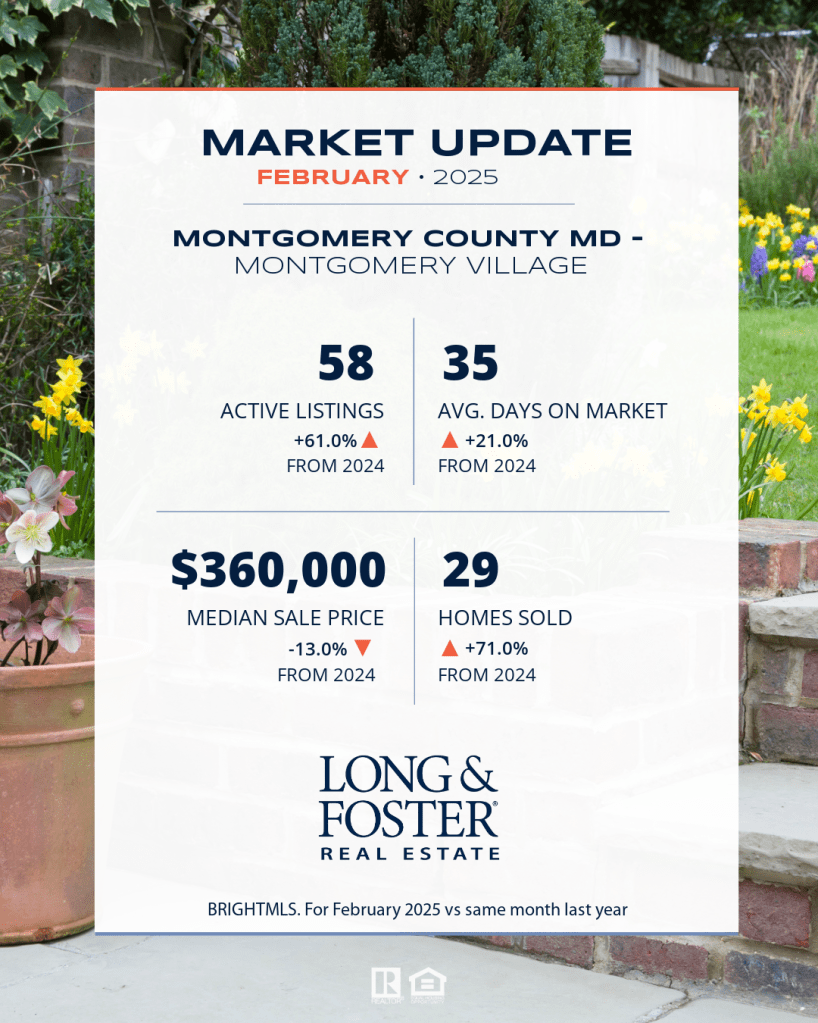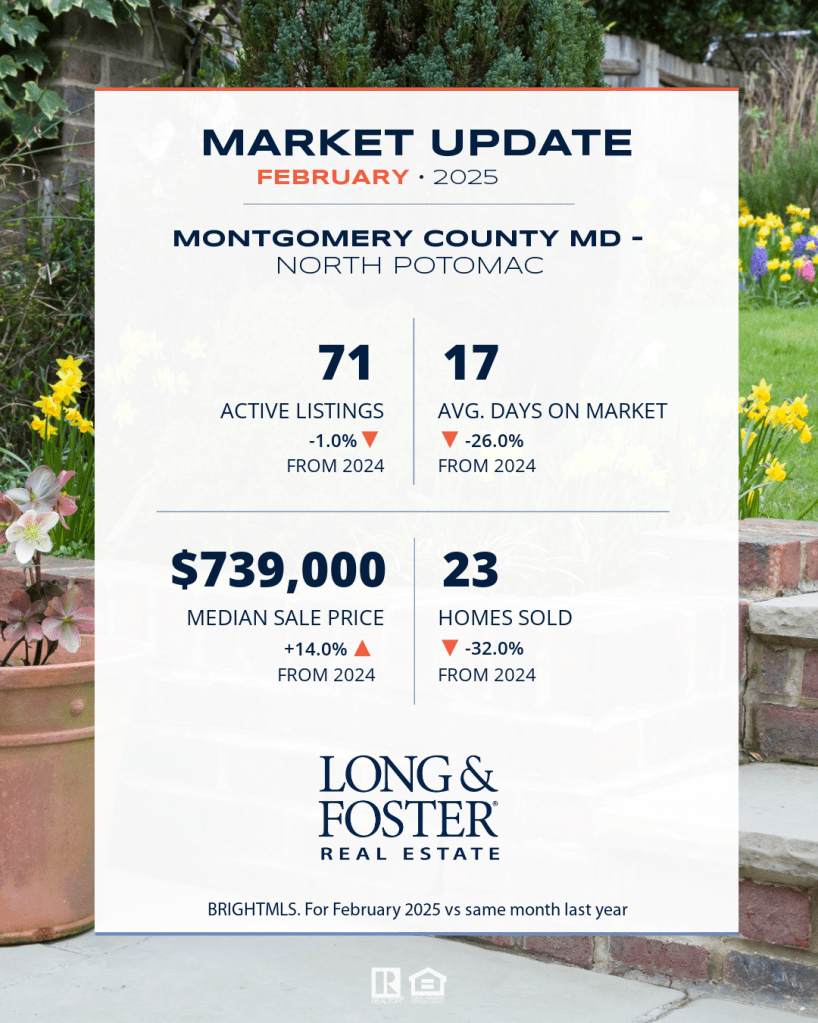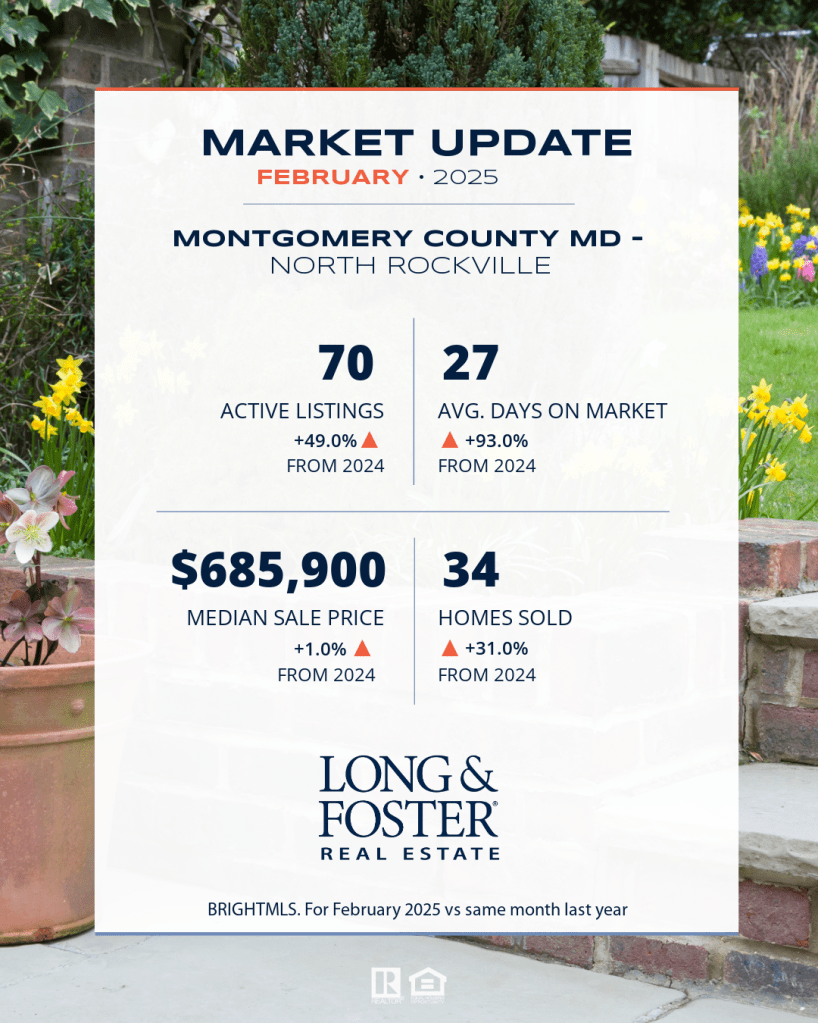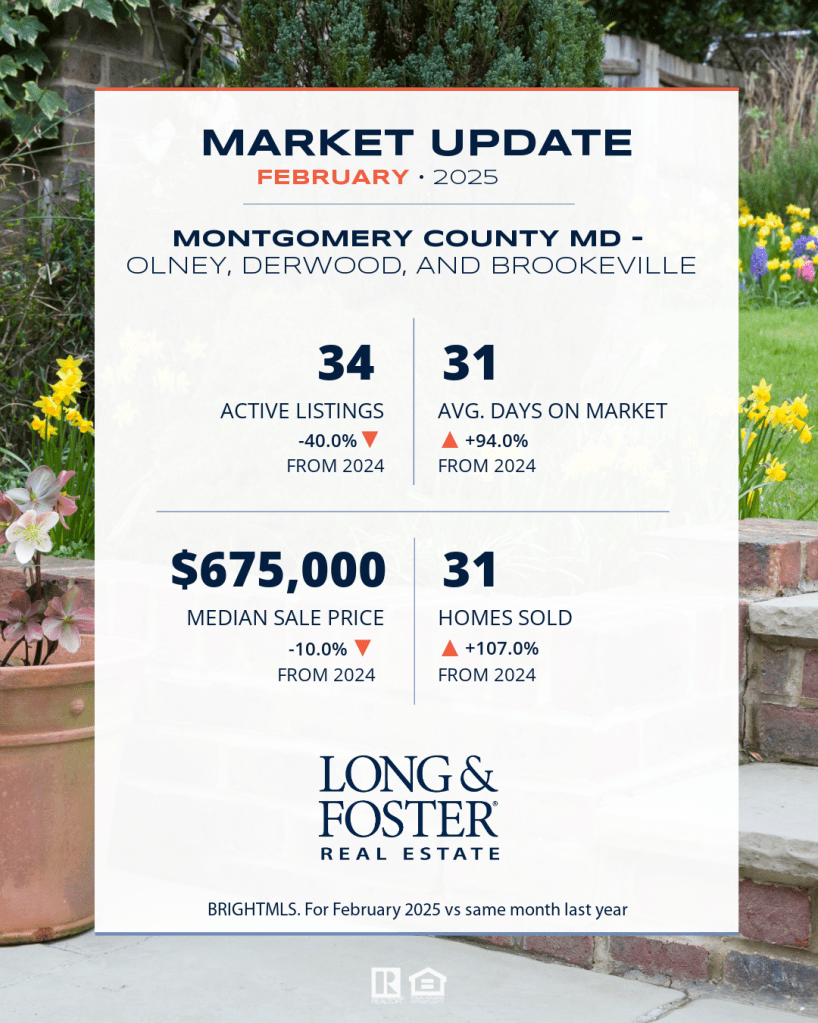
Category: #real estate

  • Essential Safety Adjustments for a Happy Holiday Home

    Essential Safety Adjustments for a Happy Holiday Home

    The holidays are a time for family, comfort, and connection. It is also a good time to make sure your home is safe, comfortable and festive for all guests. Small adjustments can prevent falls, reduce stress, and help loved ones feel confident moving around.

    Here is a room-by-room guide to prepare your home before the holidays.


    Kitchen Safety

    The kitchen is the heart of the home during the holiday, but it can also be full of hazards.

    • Clear walkways: Keep pathways free of clutter, cords, and chairs.
    • Good lighting: Make sure counters and the stove area are well-lit to prevent accidents while cooking or pouring hot liquids.
    • Accessible essentials: Move frequently used items (plates, cups, and utensils) to easy-to-reach shelves. That way no one has to climb or bend deeply.
    • Slip prevention: Place non-slip mats near the sink and stove, where spills are most common.
    • Appliance safety: Consider appliances with automatic shut-off features, especially for kettles, ovens, or space heaters.
    • Create a place to sit while preparing food.

    Bathroom Safety

    Bathrooms can be slippery, but a few simple upgrades make a big difference.

    • Non-slip mats inside and outside the tub or shower.
    • Grab bars by the toilet and shower for extra support.
    • Shower chair or handheld shower head to reduce the risk of slipping.
    • Night lights so the way to the bathroom is visible during the night.
    • Water temperature control: Set the water heater to a safe temperature (below 120°F) to prevent burns.

    Bedroom Safety

    Comfort and convenience are key in the bedroom.

    • Clear clutter around the bed and doorway for easy movement.
    • Sturdy bed height: Ensure the bed is not too high or too low for your loved one to get in and out safely.
    • Bedside lighting: A lamp or motion-activated night light helps if they get up at night.
    • Keep essentials close: A phone, glasses, or medication should be easy to reach.

    Stair Safety

    If your home has stairs, pay special attention here.

    • Secure handrails on both sides if possible.
    • Check lighting: Add bright, even lighting to each step.
    • Mark step edges with contrasting tape if the color blends with the flooring.
    • Keep stairs clear: Don’t leave decorations, gifts, or clutter on steps.
    • Consider alternatives: If stairs are challenging, set up a comfortable space on the main level.

    General Home Safety

    A few overall changes can help create a safer environment throughout the house.

    • Improve lighting in hallways and entryways.
    • Remove cords and clutter from walkways.
    • Secure furniture to avoid tipping.
    • Check smoke and carbon monoxide detectors. Replace batteries if needed.
    • Keep emergency numbers visible and phones accessible in multiple rooms.

    Rugs and Carpets

    Loose rugs are one of the biggest fall hazards for seniors.

    • Remove small throw rugs or secure them with non-slip backing or double-sided tape.
    • Repair loose carpet edges or bulges.
    • Avoid thick, high-pile rugs that can catch a walker or cane.

    A Final Thought

    Creating a safe home doesn’t have to mean making it look clinical or dull. With thoughtful planning, you can keep your loved one safe while keeping your home welcoming and full of holiday cheer. By addressing small risks now, you’ll spend less time worrying—and more time enjoying the season together.
  • Spring 2025 Real Estate Market Insights

    April marks the start of the busy season in real estate. If you are considering buying or selling there are four points to keep in mind about the 2025 spring market.

    • Continued Price Appreciation. Home prices are still on the rise. The increases are less significant than in prior years. This moderate appreciation may ease the concerns of potential buyers. It suggests improvements in inventory and affordability.
    • Varying Mortgage Rates. With mortgage rate fluctuations, it is a good idea to consult a mortgage consultant sooner rather than later. Thirty-year rates have remained below 7% almost all year. Locking in a rate now can be beneficial for your long-term plans.
    • Example:
      • At a 3% interest rate: For a $300,000 mortgage, a 30-year loan would cost about $1,265 a month.
      • At a 6% interest rate: The same mortgage would increase to roughly $1,798 a month.
    • Growing Inventory. Real estate conditions vary by location. There is an increase in the number of homes for sale in parts of the Mid-Atlantic and Northeast. If you’re interested in a specific market, please reach out. I can track inventory levels and keep you updated on any listed properties that meet your needs.
    • Balanced Market. For the first time in years, experts predict a balanced market in 2025. This shift benefits both buyers and sellers after a long period during the pandemic when the market was dominated by sellers.

    Real estate trends vary significantly from one area to another. If you would like more details about our local community, feel free to contact me. I am happy to provide a competitive market analysis for your home or share insights from our local market reports.

    Plus, if you are house-hunting, consider attending Long & Foster’s Open House Weekend on April 26 and 27. You can find open houses near you here. Wishing you a happy spring.

    Spring Open House weekend April 26-27, 2025.
  • What is a mortgage, and how do I get one?

    What is a mortgage, and how do I get one?

    A mortgage is a type of loan used to purchase a home or property. When you take out a mortgage, you borrow money from a lender to cover the cost of the property. In return, you agree to pay the lender back over a set period of time.

    How a Mortgage Works:

    1. Loan Amount: The amount you borrow from the lender.
    2. Down Payment: You typically pay part of the property’s price upfront. This is usually 5% to 20% of the home’s price. This is called a down payment.
    3. Interest Rate: The rate at which the lender charges you interest on the loan, which affects your monthly payments.
    4. Monthly Payments: You will make regular payments to the lender. These payments typically cover the loan’s principal (the amount you borrowed) and interest.
    5. Collateral: The property you are buying acts as collateral. If you fail to make payments, the lender can take possession of the property through foreclosure.

    How to Get a Mortgage:

    1. Check Your Credit Score: Lenders use your credit score to determine your mortgage eligibility. It also affects what interest rate you get. A higher credit score generally leads to better loan terms.
    2. Determine Your Budget: Figure out how much house you can afford based on your income, debt, and expenses. A common rule is that your monthly housing costs should not exceed 28-30% of your gross monthly income.
    3. Save for a Down Payment: Most lenders require a down payment of at least 5-20% of the home price. The larger your down payment, the better your loan terms will be.
    4. Choose a Lender: Shop around for mortgage lenders (banks, credit unions, online lenders) to compare interest rates and terms.
    5. Get Pre-Approved: Getting pre-approved means the lender will review your financials (credit, income, assets, etc.) to determine how much they’re willing to lend you.
    6. Submit an Application: Once you choose a lender, you will submit a formal application. You need to provide details about your finances and the property you’re purchasing.
    7. Home Appraisal: The lender will require an appraisal to determine the home’s market value.
    8. Loan Approval and Closing: If your loan is approved, you will sign the necessary documents. You will then close on the property. This process officially transfers ownership.

    Once the mortgage is approved, the property becomes yours. You will start making regular payments as outlined in your loan agreement.

    Would you like more details on any specific part of this process? Would you like to get started with a mortgage company? This company was ranked #1 in consumer satisfaction by JD Power last year. 

    Start here, and the first client of mine to close this spring will receive a $500 credit towards closing costs. 

    Learn about types of loans. 

    #Mortgage #Realestate #Home #Maryland #Realtor #Finance

  • Importance of Credit Scores in Renting and Buying Homes

    Importance of Credit Scores in Renting and Buying Homes

    Credit scores are used in the US to assess if a person will pay debts. This score is important if you are interested in purchasing or renting a property.

    1. Loan Approval: Lenders use your credit score to evaluate your risk as a borrower. A high credit score suggests you are unlikely to default on payments. This makes lenders more willing to approve you for a mortgage. A low score can make it harder to get approved, especially for traditional loans.
    2. Interest Rates: If you are approved for a loan or mortgage, a high score results in a low interest rate. This saves you thousands of dollars over the life of a loan.
    3. Renting in Competitive Markets: In cities with limited housing availability, it is easier to rent with a high credit score.

    What is a good credit score?

    A “good” credit score can vary slightly depending on the scoring model used but generally speaking:

    • Excellent: 750–850
    • Good: 700–749
    • Fair: 650–699
    • Poor: 300–649

    If you want the best mortgage or loan offers, a score of 740 or higher is ideal. Scores in the “fair” range can still get you approved, but the terms are unlikely to be as favorable.

    How can you improve your credit score?

    Improving your credit score takes time, but with consistent effort, you can boost your score. Here are some effective strategies to help you improve your credit:

    1. Pay Your Bills on Time

    • Payment history is the biggest factor in your credit score. Always pay your credit cards, loans, and other bills on time. Even one missed payment can significantly impact your score.

    2. Reduce Credit Card Balances

    • Try to keep your credit utilization ratio below 30%. For example, if your credit limit is $1,000, try to keep your balance under $300. The lower your balance, the better it is for your score.

    3. Avoid Opening Too Many New Accounts

    • Each time you apply for a credit card or loan, it results in a hard inquiry. This temporarily lowers your score. Try to limit the number of new accounts you open.

    4. Check Your Credit Report for Errors

    • Errors on your credit report can drag down your score. Obtain your free credit report once a year from Equifax, Experian, and TransUnion to check for inaccuracies. Dispute any incorrect information.

    5. Settle Outstanding Debts

    • If you have any outstanding collections, try to pay them off or settle them. Some lenders are willing to remove a collection entry from your credit report if you settle the debt.

    6. Keep Old Accounts Open

    • Length of credit history: Keeping old accounts open can help improve your score by showing a longer credit history. Just make sure not to incur any fees for maintaining these accounts.

    7. Diversify Your Credit

    • A mix of credit types (credit cards, car loans, mortgages, etc.) can help your score. However, only take on new debt if you can manage it responsibly—don’t open unnecessary accounts just to diversify.

    8. Pay More Than the Minimum on Credit Cards

    • Paying more than the minimum will reduce your debt faster and lower your credit utilization ratio.

    9. Consider a Secured Credit Card

    • If you have limited credit history or a low score, applying for a secured credit card. This can be a good way to build or rebuild credit. With a secured card, you deposit an amount equal to your credit limit. Your responsible usage will be reported to the credit bureaus.

    Improving your credit score is a gradual process. While results take time, these steps will help set you on the right path. Keep monitoring your credit, and over time, your score will improve.

    #housing #credit #interest #realestate #MD #MontgomeryCounty #HowardCounty #FrederickCounty #AnneArundelCounty

  • Guide to Buying and Selling Homes This Spring

    Guide to Buying and Selling Homes This Spring

    Long and Foster: For every moment, it's the one.

    The spring real estate season is right around the corner and all predictions are for a very strong market.

    If you or a family member or friend are planning to buy or sell a home, you may wonder where to start.


    While making one of your most important financial decisions, it’s more important than ever to align yourself with a trusted real estate agent who can provide the necessary experience and resources needed when purchasing a home.


    Here are a few of the ways I’ll be there to guide you through every step of the way.


    Expertise & Market Knowledge: I will analyze market trends, property values, and assess the features of each property to identify listings based on your preferences and budget.


    Guidance & Support: I’ll help you make informed decisions by providing insights into neighborhoods, schools, and local amenities – guiding you to the finish line.


    Advocacy & Negotiation: I will strategize with you to craft the strongest possible offer and negotiate on your behalf to secure the best deal, to protect your interests and maximize your investment.


    Streamlining the Process: I’ll handle all the paperwork, schedule inspections, and coordinate with my Long & Foster partners, ensuring a smooth and efficient process from start to completion.


    Overall Value: Through expertise, advocacy, and dedication I’ll help you achieve your real estate goals and provide a rewarding home buying experience.

    Let me help you explore your options.

    At Long & Foster, we’ve created an All-Inclusive Real Estate Experience to streamline the buying and selling process. From Mortgage, Insurance and Inspection, to Title, Moving, Property Management and beyond, we do it all. Let’s schedule a time to meet.

  • Understanding Maryland’s Renters’ Rights Act

    Long and Foster Real Estate

    Affordability is making it difficult for people to live in Maryland. A contributing factor is a shortage of houses. There was a 96,000-housing unit shortage in 2024. State legislators responded by enacting new legislation. Turning the Key: Unlocking Maryland’s Potential.  

    The Renters’ Rights and Stabilization Act in Maryland is legislation designed to protect tenants and renters by regulating rent increases. It ensures fair housing practices and offers tenants legal recourse against unfair or discriminatory treatment by landlords. It aims to balance the rights of tenants with the rights of property owners. While laws can vary across jurisdictions, there are a few key elements that apply statewide or in specific local areas. 

    1. Security Deposits:  

    Maryland has specific regulations around security deposits.

    • Landlords can’t require security deposits that are more than one month’s rent, with limited exceptions. 
    • Landlords can’t require more than two month’s rent (security deposit + first month) to be paid at lease signing and before move-in. 
    • Security deposits are to be returned promptly after a lease ends, as long as no damages or unpaid rent exist.  

    2. Rent Stabilization: 

    Some areas of Maryland have laws that limit how much a landlord can increase rent over a given period. The laws prevent sudden, large rent hikes that force tenants to leave their homes due to financial strain. 

    • Rent Increase Limits: Rent increases must be reasonable, with caps on how much landlords can raise rent within a year. 
    • Notice Requirements: Landlords should give tenants ample notice before raising rent (e.g., 60 days or more). 

    3. Tenant Protections: 

    The act includes provisions to prevent unjust evictions.

    • Eviction Protections: Landlords can not evict tenants without cause and must follow legal processes. Evictions can not be conducted during extreme weather conditions. 
    • Notice of Lease Changes: Tenants must receive proper notice if a landlord plans to end their lease or make significant changes to the lease terms. 
    • Right to Repair: Tenants have the right to request repairs if the property falls below a certain standard of habitability. 

    4. Fair Housing: 

    Maryland’s laws also prohibit discrimination based on race, color, national origin, religion, gender, disability, and family status. This ensures tenants can’t be denied housing or treated unfairly based on these characteristics. 

    5. Right of First Offer/Refusal: 

    HB 693 – Renters’ Rights and Stabilization Act of 2024 allows three scenarios for tenants to offer to purchase a property before a landlord lists it for sale. Landlords must go to the Right of First Refusal Portal.  

    Why Should Investors Care? 

    Investors in rental properties and homeowners should be aware of these laws for several reasons: 

    1. Regulation Compliance: Investors must comply with rent stabilization and tenant protection laws. Failing to do so could result in fines, lawsuits, or having to return rent increases. 
    1. Predictable Income: Rent stabilization can limit the potential for large rent increases. This means investors may not raise rents as quickly as they would like. 
    1. Tenant Retention: By respecting tenant rights and providing a habitable, fair environment, investors can reduce turnover and maintain stable rental income. Happy tenants tend to stay longer, reducing vacancy costs. 
    1. Reputation and Legal Risks: Landlords who violate tenants’ rights may face legal challenges, damage to their reputation, and potential lose property if lawsuits result in significant settlements. Investors need to ensure they have proper procedures in place to handle evictions, rent increases, and tenant complaints. 
    1. Market Conditions: Rent stabilization laws affect property value and rental market dynamics, especially in areas with stringent rent control measures. Investors should understand local regulations to gauge potential returns on investment. 
    1. Affordable Housing Incentives: Landlords may have tax break incentives or other benefits to maintain affordable rental rates. Investors should understand how these incentives work if they own properties in areas with rent stabilization programs. 

    In summary, renters’ rights and stabilization laws ensure fairness and affordability for tenants, while providing landlords and investors with guidelines to protect both their property rights and financial interests. For investors, understanding these laws is crucial for managing rental properties legally, ensuring tenant satisfaction, and making informed financial decisions. 

    Contact me for help listing or renting a property. Learn more.

  • Understanding Home Tax Deductions for 2024

    Understanding Home Tax Deductions for 2024

    Tax season is fast approaching. If you purchased or sold a home last year, there are several tax benefits and rules that impact your return. Here are key tax details homeowners should keep in mind.

    Home Mortgage Interest Deductions

    One of the most common tax breaks for homeowners is the mortgage interest deduction. The amount you can deduct depends on when your mortgage was finalized:

    • Mortgages Closed Before December 16, 2017: You can deduct mortgage interest on a loan balance up to $1 million.
    • Mortgages Closed After December 16, 2017: The deduction limit drops to $750,000 for both primary residences and second homes.

    Property Tax Deductions

    You can deduct up to $10,000 for a combination of state and local property, income, and sales taxes. This applies to property taxes on your primary home, a vacation home, and even undeveloped land. Keep in mind that the $10,000 cap applies to all state and local taxes.

    Mortgage Insurance Premiums

    If you paid for private mortgage insurance (PMI) last year, you qualify for a deduction—depending on your income. PMI is required when you put down less than 20% on a home. This deduction provides some financial relief at tax time.

    Capital Gains Tax Exclusions

    If you sold your primary residence in 2024, you may be eligible for a capital gains tax exclusion. Married couples filing jointly can exclude up to $500,000 in capital gains. Single filers can exclude up to $250,000, if they lived in the home for two of the last five years. This can be a huge benefit for reducing your taxable income from the sale of your home.

    Consult a Tax Professional

    These are just a few of the housing-related tax benefits you can take advantage of. Keep in mind that tax laws can change and vary based on your personal circumstances. It is a good idea to consult with a tax advisor to get the full range of deductions available.

    If you have any questions about real estate or need assistance, feel free to contact me.

    #TaxSeason #Homeowners #MortgageInterest #PropertyTaxDeductions #MortgageInsurance #CapitalGainsExclusion #RealEstateTaxes #TaxTips #HomeSaleTax #TaxDeductions #FirstTimeHomebuyer #RealEstateAdvice #TaxPlanning #HomeOwnership #TaxSeason2024 #RealEstateTaxBreaks #RealEstateExpert #HomeownerTips

  • Understanding the Annual Home Demand Index

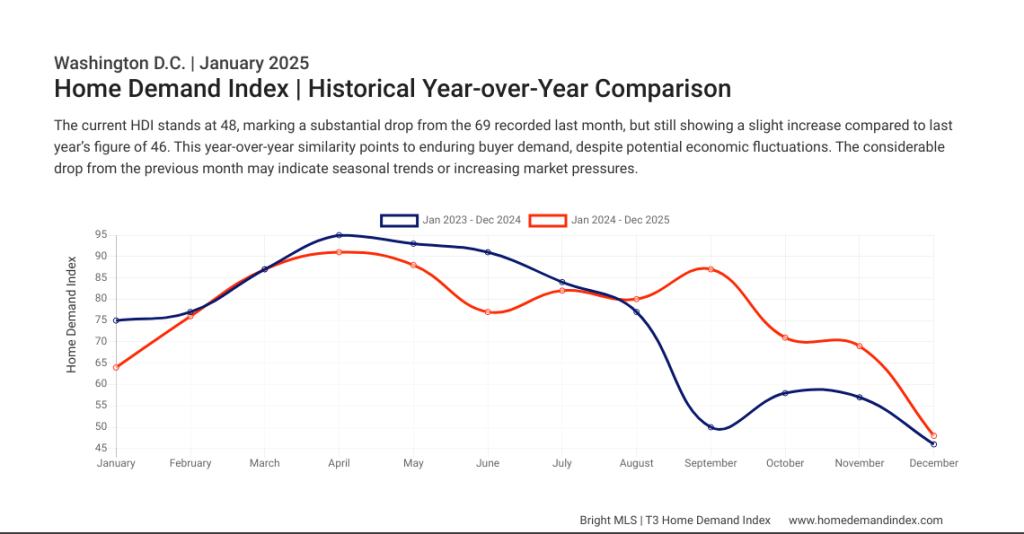
    The Annual Home Demand Index is used by real estate professionals to gauge the home demand in a market area for a period of one year. It takes into account factors like buyer activity, inventory levels, and overall market conditions. It measures how strong or weak the demand is relative to the number of homes for sale.

    When it comes to the month a house is listed, the Annual Home Demand Index can offer some useful insights. For example: In January the home demand index is low, but buyer activity picks up in February to April. After that many houses get listed. So, listing a house before late spring and summer is a good time to catch increased demand but not compete with many listings.

    Seasonality: The index can highlight whether the time of year is a “high-demand” or “low-demand” period. For example, demand tends to be higher in spring and summer. Because many buyers prefer to move during these months due to school schedules and weather. A house listed in a month with high demand can get more buyer interest and higher offers.

    Price Strategy: If a house is listed during a month with a low demand it affects the pricing strategy. Homes listed during slow months need more competitive pricing or enhanced marketing to attract buyers.

    Buyer Competition: A high demand month usually indicates more buyers in the market, meaning there’s more competition for homes. Sellers listing during these months may see quicker sales and multiple offers. While homes listed during lower-demand months might sit on the market longer.

    Market Trends: By looking at trends over the course of the year, the index can determine whether a particular month favor sellers or buyers. If a market is experiencing high demand but the supply of homes is limited, a seller has an advantage for getting a higher price for their home.

    In summary, the Annual Home Demand Index provides a snapshot of the broader market conditions and helps both sellers and buyers understand the best timing for listing or purchasing a home. It can be a valuable tool for determining how competitive the market will be in the month a house is listed.

    See home demand index for Washington DC.

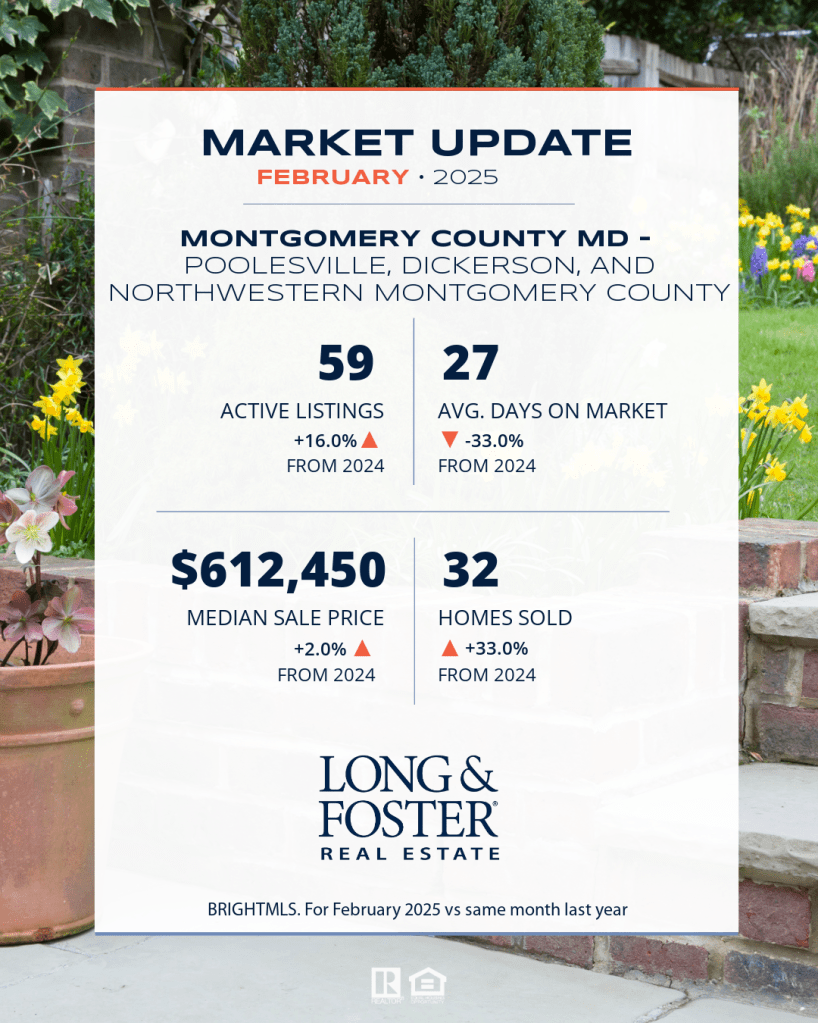
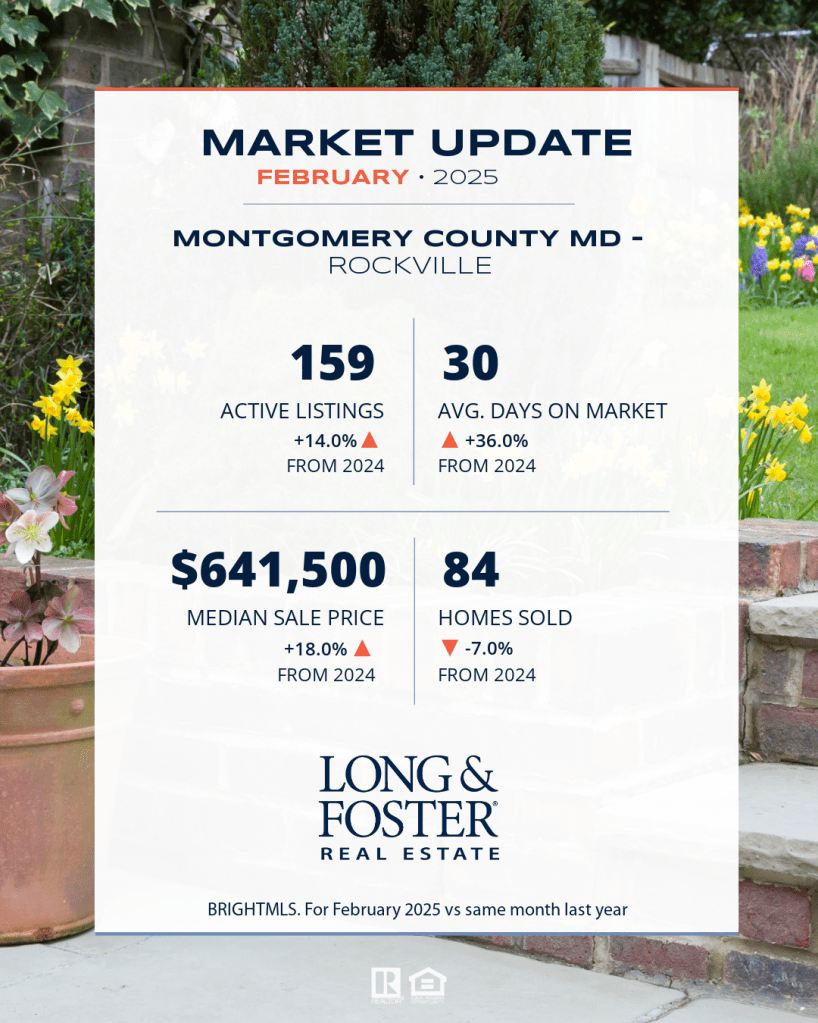
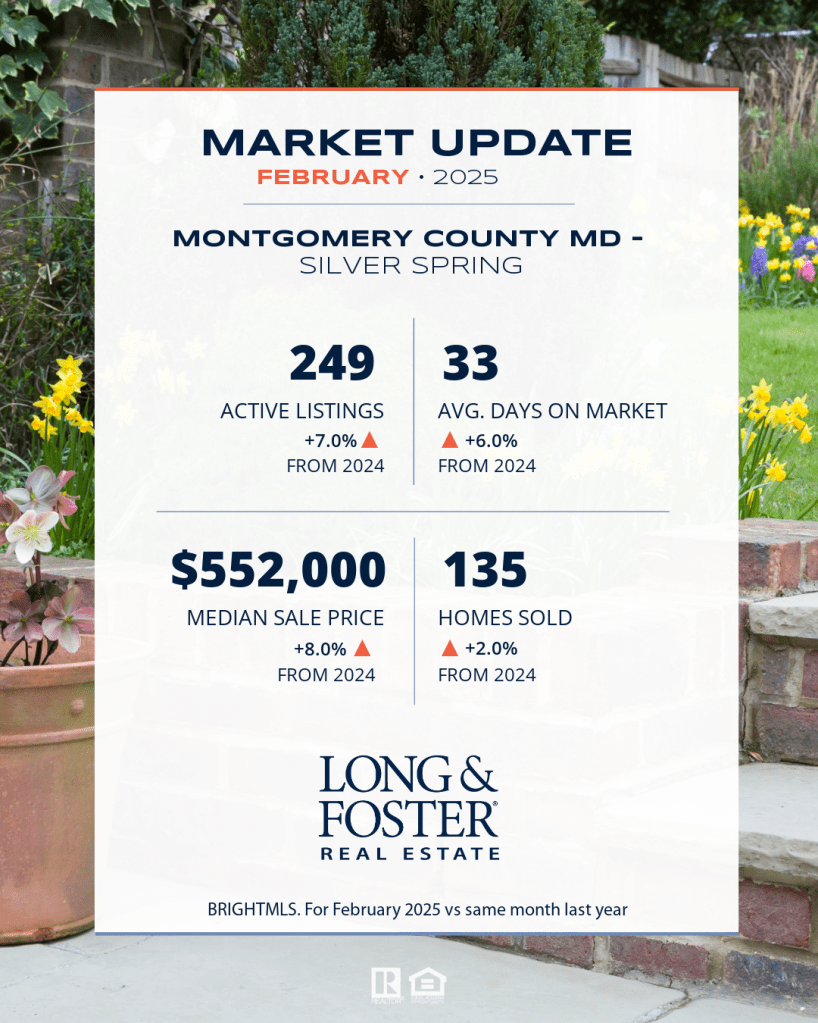
    To get a market report for your neighborhood, subscribe here:

  • Living in Agricultural Areas: Pros and Cons

    Photo taken from a vineyard and brewery in Gaithersburg, MD.

    Living in a neighborhood zoned for agriculture can offer several advantages, depending on your lifestyle and priorities. Here are some key benefits:

    1. Peaceful Environment

    • Agricultural areas offer a tranquil living experience with low traffic congestion.

    2. Lower Cost of Living

    • The real estate can be more affordable compared to cities and suburban areas.

    3. Access to Fresh, Local Produce

    • Living in an agricultural area gives you direct access to locally grown fruits, vegetables, and other farm products.
    • Supporting local agriculture contributes to a more sustainable lifestyle and reduces your carbon footprint by decreasing the need for long-distance transportation of food.

    4. Potential for Farming or Gardening

    • If you have a passion for gardening or growing your own food, agricultural zoning often allows for larger plots of land, perfect for cultivating crops, raising livestock, or starting your own homestead.
    • You may have opportunities to engage in farming activities, whether as a hobby or as a small-scale business, and may have fewer restrictions on things like animal husbandry or crop cultivation.

    5. Potential for Agricultural Business Opportunities

    • If you’re interested in starting a business related to agriculture, like a farm stand, agri-tourism, or organic farming, living in a zoned area may offer favorable conditions and resources for such ventures.

    While there are many benefits, it’s also important to weigh some potential drawbacks, such as limited access to amenities and services.

    However, for those who enjoy a rural or semi-rural lifestyle, these challenges are often outweighed by the advantages of living in an agricultural-zoned neighborhood

    Agricultural areas in Maryland include:

    Montgomery County Agricultural Reserve: A 93,000-acre working agricultural landscape that includes orchards, hayrides, and seasonal farm markets.

    Frederick, Washington, and Carol counties: The main producers of milk in Maryland.

    Queen Anne’s County: A major producer of corn, wheat, and soybeans. 

    Caroline County: A major producer of wheat.

    To find property in an agricultural reserve, type a zip code or city in an agricultural reserve here.

  • Why Rental Properties Are Key to Tackling Inflation

    Why Rental Properties Are Key to Tackling Inflation

    Are you looking for a strategy to combat inflation while ensuring a steady cash flow? One option worth considering is investing in rental properties. Real estate has long been an attractive way to build wealth, offering numerous financial and tax benefits. In this post, we’ll break down the key advantages of owning rental properties and why they can be an excellent choice for long-term financial success.

    1. Steady Cash Flow

    One of the biggest financial benefits of owning rental properties is the ability to generate consistent, passive income. When managed well, rental properties can provide a steady cash flow month after month. Ideally, your rental income will exceed your expenses, leaving you with extra money that you can reinvest, save, or use to fund your lifestyle.

    2. Property Appreciation

    Over time, real estate tends to appreciate in value, especially if the property is located in a desirable area. While short-term fluctuations in the market can occur, historical trends show that real estate values generally rise over the long run. This appreciation can lead to significant gains when you sell the property, or it can increase your equity if you hold onto it.

    3. A Hedge Against Inflation

    Rental properties are a great way to hedge against inflation. As the cost of living increases, so do rents. This means that your rental income is likely to grow in line with, or even outpace, inflation. If your mortgage payment is fixed, this can create a significant advantage. As inflation rises, your rental income can increase, while your mortgage payment stays the same, boosting your cash flow in real terms.

    4. Fixed-Rate Mortgages

    If you have a fixed-rate mortgage, your monthly mortgage payment will remain consistent even as inflation increases. This can be especially advantageous during times of rising prices. Meanwhile, your rental income can grow as rents increase, meaning your overall financial situation improves. Essentially, your mortgage payment is locked in, while your rental income can rise, allowing you to enjoy greater profitability.

    5. Tax Advantages of Rental Properties

    One of the most significant advantages of owning rental property is the potential tax benefits. One such benefit is depreciation. Depreciation allows you to deduct the cost of the property’s building (excluding the land) over a period of time—27.5 years for residential properties and 39 years for commercial properties.

    For example, let’s say you purchase a rental property for $300,000, and the land is worth $50,000. You could depreciate the building’s value of $250,000 over 27.5 years, resulting in an annual depreciation deduction of approximately $9,091. This deduction can help lower your taxable income, even if the property is appreciating in value.

    In addition to depreciation, other deductible expenses include operating costs, property taxes, insurance, travel, and mileage. All of these factors combine to reduce your overall tax burden, making rental properties an attractive investment option. As always, it’s best to consult a tax professional to understand the specific tax advantages available to you.

    6. Financing Options Based on Rental Income Potential

    If you’re unsure about whether you can afford a mortgage for a rental property, you may be surprised to learn that there are financing options available that are based on the rental income potential of the property rather than your personal income. This can make it easier to invest in real estate, even if you don’t have a high income or extensive financial history. Speak with a real estate loan officer to explore your options and find out what financing solutions might work best for your situation. Get started on financing.

    7. Partnering with a Real Estate Agent

    Once you’ve decided that investing in rental properties is the right move for you, it’s time to shop for the perfect property. A local real estate agent can be an invaluable resource in facilitating the buying process. They can help you navigate the complexities of property transactions and ensure that everything goes smoothly, from the initial search to the final paperwork. Contact me to learn more.

    Conclusion

    Rental properties offer a range of financial and tax benefits that can help you build wealth, stay ahead of inflation, and generate steady cash flow. From appreciating property values to passive income and tax deductions, investing in real estate can be a powerful way to achieve your financial goals.

    If you’re considering adding rental properties to your investment portfolio, now may be a great time to start. Be sure to consult with financial and tax professionals to ensure that you’re making the most informed decisions based on your unique circumstances. Happy investing.

    If you liked this post, please subscribe.